
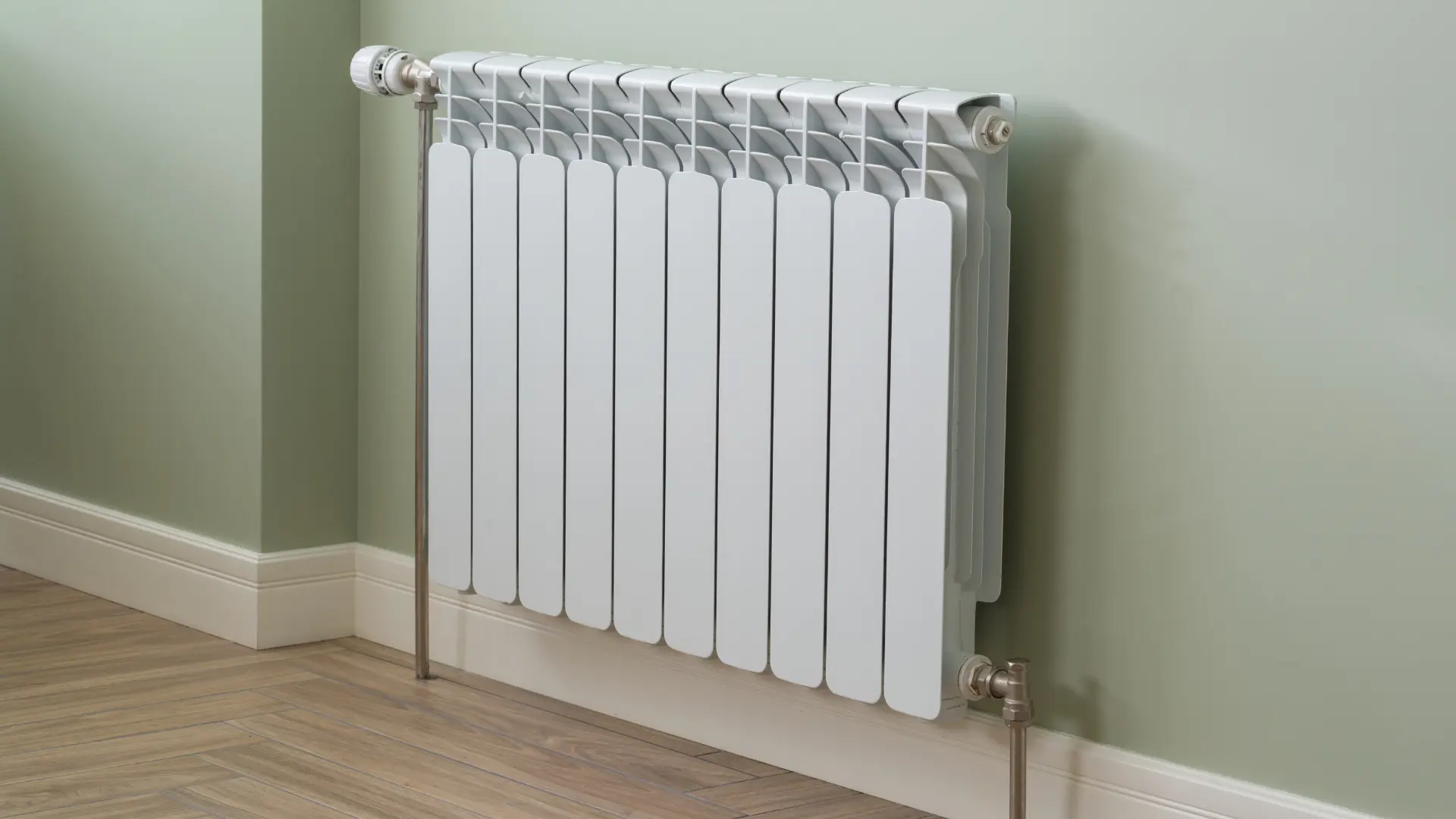
Central Heating Installation & Repairs
Central Heating Installation& Repairs in Liverpool
A warm, evenly heated home without the guesswork, quoted fairly, fitted by a Gas Safe engineer, and backed by a 12-month warranty.
4.8 stars from 45 Google reviews, and on site within the hour for local emergencies.
16 yrs
Experience, Ivan Kondov
Gas Safe
Registered engineer
12 months
Warranty on installations
4.8★
45 Google reviews
Central heating that actually keeps the whole house warm
Central heating covers the boiler, radiators, pipework, controls and thermostat that together move hot water and warmth around a property. When it is designed and installed correctly, every room reaches temperature at roughly the same rate, hot water is available on demand, and the system runs quietly in the background for years without drama. When it is patched together or poorly balanced, you end up with cold spots, noisy pipework, and a boiler working far harder than it should.
This service suits homeowners replacing an outdated or undersized system, landlords bringing a rental property up to standard, and anyone extending a house who needs extra radiators or a repositioned manifold. It also covers property developers converting flats or extending floor space, where the existing system was never sized for the new layout.
You typically need central heating work when radiators are cold at the top or bottom, when the system is making banging or gurgling noises, when one part of the house never gets warm regardless of the thermostat setting, or when you are renovating and need pipework moved, extended or entirely replaced. A full system upgrade is also worth considering if your current setup is more than 15 years old, since efficiency losses and part failures both increase sharply beyond that point.
Central heating work involves gas, pressurised water and, in many homes, structural work to lift floorboards or channel walls. Getting pipe sizing, radiator output and boiler matching wrong leads to underperformance that no amount of thermostat fiddling will fix. A Gas Safe registered engineer who understands heat loss calculations, not just fitting, is the difference between a system that works and one that merely exists.
Full system design
Radiator sizing and pipe routing calculated to the room, not guessed from what was there before.
New radiator fitting
Replacement or additional radiators fitted with minimal disruption to floors and walls.
Power flushing
Clears sludge and debris from old systems so heat actually reaches every radiator.
Controls and zoning
Thermostats, zone valves and smart controls set up so each part of the house heats independently.
Cold rooms rarely fix themselves
A central heating system that is struggling tends to get worse gradually rather than failing outright, which is exactly why so many households live with it for years. Sludge builds up in radiators, pump efficiency drops, and the boiler starts short-cycling to compensate. None of that shows up as an obvious fault until a pipe finally fails or the boiler shuts down completely, usually in the middle of winter.
The financial side compounds quietly too. A system fighting sludge, trapped air or incorrect pipe sizing burns more gas for less heat, and that difference shows up every single month on the bill, not as a one-off cost.
Rising gas bills
An inefficient system can waste a meaningful percentage of gas use heating water that never properly reaches the radiators.
Boiler strain and failure
Sludge and trapped air force the boiler to work harder, shortening its lifespan and increasing the chance of a costly breakdown.
DIY bleeding masking bigger issues
Bleeding radiators yourself can relieve symptoms while leaving the underlying sludge or pump fault untouched.
Water damage from failed pipework
Old, corroded pipework can leak inside walls or under floors, causing damage that costs far more than the heating repair itself.
Our Process
The same sequence on every job, so you know exactly what happens and when.
Step 1
Book an assessment
Call or email and describe the issue, whether that is cold radiators, noise, or a full new system. We arrange a visit to see the property in person.
Step 2
On-site survey
We check radiator output, pipe routing, boiler condition and system pressure, and identify exactly what is causing the problem or what a new install needs.
Step 3
Fixed-price quote
You receive a clear, itemised quote based on what was found, not an estimate over the phone. Larger jobs require a 20% deposit to secure the work.
Step 4
Installation or repair
Work is carried out to Gas Safe and Water Regulations standards, with dust sheets and floor protection used throughout, and the system tested under full operation before we finish.
Step 5
Handover and warranty
You get a full explanation of the controls, a demonstration of the system running, and a 12-month warranty on the installation direct from the shop.
What You Get
Faster warm-up
Correctly sized radiators and pipework mean rooms reach temperature quicker instead of the boiler running longer to compensate.
Gas Safe compliant
All gas connections and boiler work carried out by a Gas Safe registered engineer, protecting you and satisfying legal requirements for rentals.
Longer system life
Balanced systems and clean pipework put less strain on the boiler and pump, extending the working life of every component.
Lower running costs
An efficient system uses less gas for the same warmth, which shows up directly in lower winter bills.
Fewer breakdowns
Removing sludge and correcting pressure issues reduces the chance of an unexpected mid-winter failure.
Warranty backed
Every installation carries a 12-month warranty, so any post-install issue is fixed without further cost to you.
Central heating systems explained
Materials and equipment
Modern central heating pipework is typically 15mm or 22mm copper or PEX plastic, chosen depending on run length, access and whether it is a new build or retrofit into an existing property. Radiators range from standard panel types through to double-panel convector models for rooms with higher heat loss, such as those with large windows or high ceilings.
Controls have moved on significantly from a single wall thermostat. Programmable room stats, thermostatic radiator valves on individual radiators, and smart control systems all let you heat only the rooms in use, which matters more with gas prices where they are.
Installation and repair methods
A new installation starts with a heat loss calculation for each room, which determines radiator size and output before anything is fitted. Pipework is then routed to minimise disruption, running under floors or through voids where possible rather than surface-mounted unless the property demands it.
Repairs on existing systems usually start with a system health check: pressure, flow rate at each radiator, and an inspection for corrosion or sludge. Power flushing is often the first step where multiple radiators are underperforming, since it clears the whole system rather than treating one symptom at a time.
Service variations
Central heating work covers a wide range, from fitting a single replacement radiator through to a full re-pipe of an older property moving from single-pipe to a modern two-pipe system. Some jobs are purely about controls, adding zoning or smart thermostats to an otherwise sound system to improve efficiency and comfort.
Other jobs involve extending an existing system into a new extension or loft conversion, where pipe runs need extending and the boiler's capacity needs checking against the added load.
When you need this service
Typical triggers are cold radiators, uneven heating between rooms, a noisy system, or a house extension that needs the heating extended into new rooms. It is also common after buying an older property, where the existing system has never been serviced or balanced properly.
Residential vs commercial considerations
Domestic central heating is generally a single-zone or lightly zoned system serving one property, sized for typical household heat loss. Commercial premises such as offices, small hotels or care homes often need multi-zone systems with separate controls per area, larger boiler capacity, and more robust pipework to handle continuous daytime use rather than the on-off cycling typical of a house.
Related services
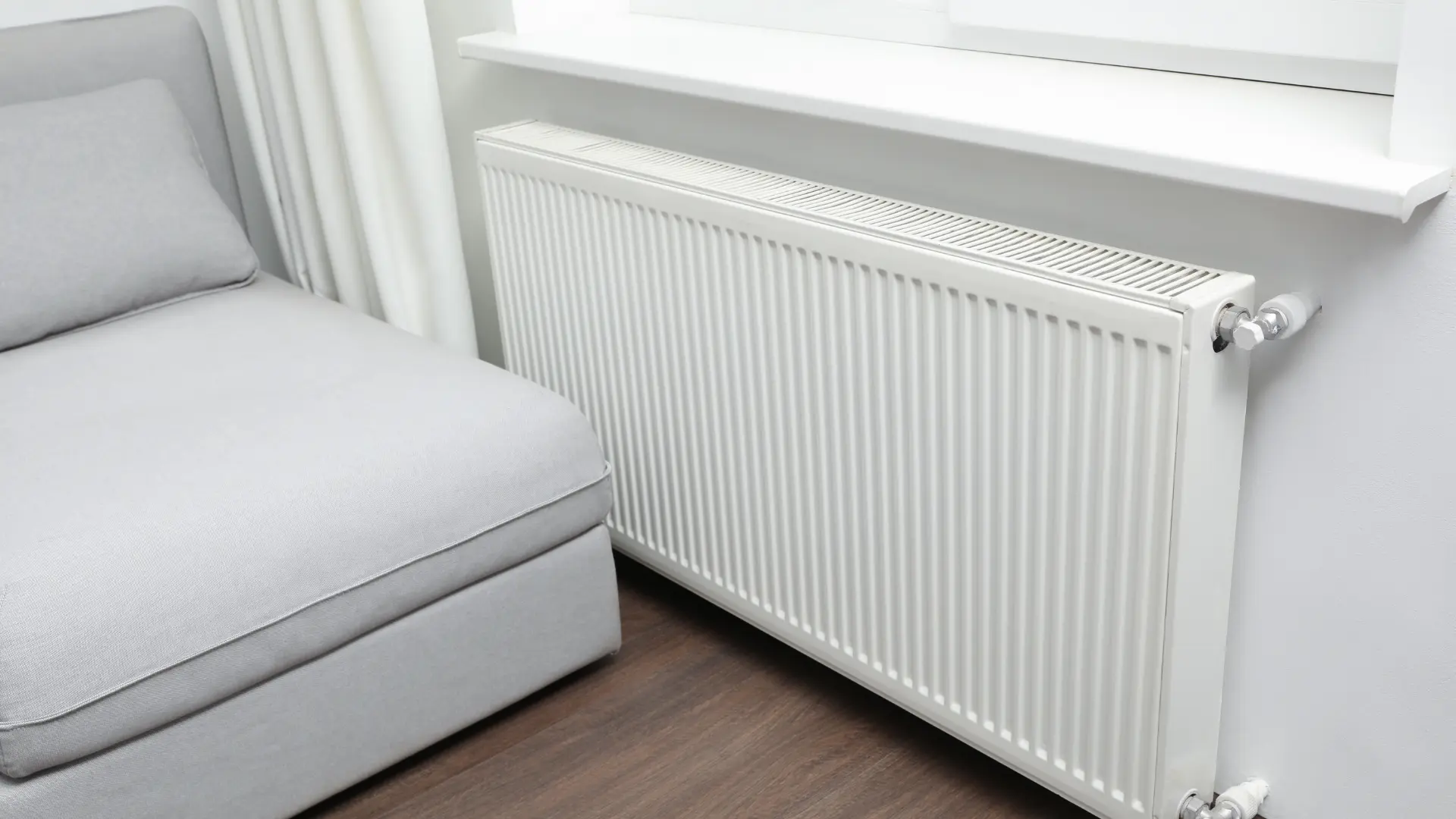
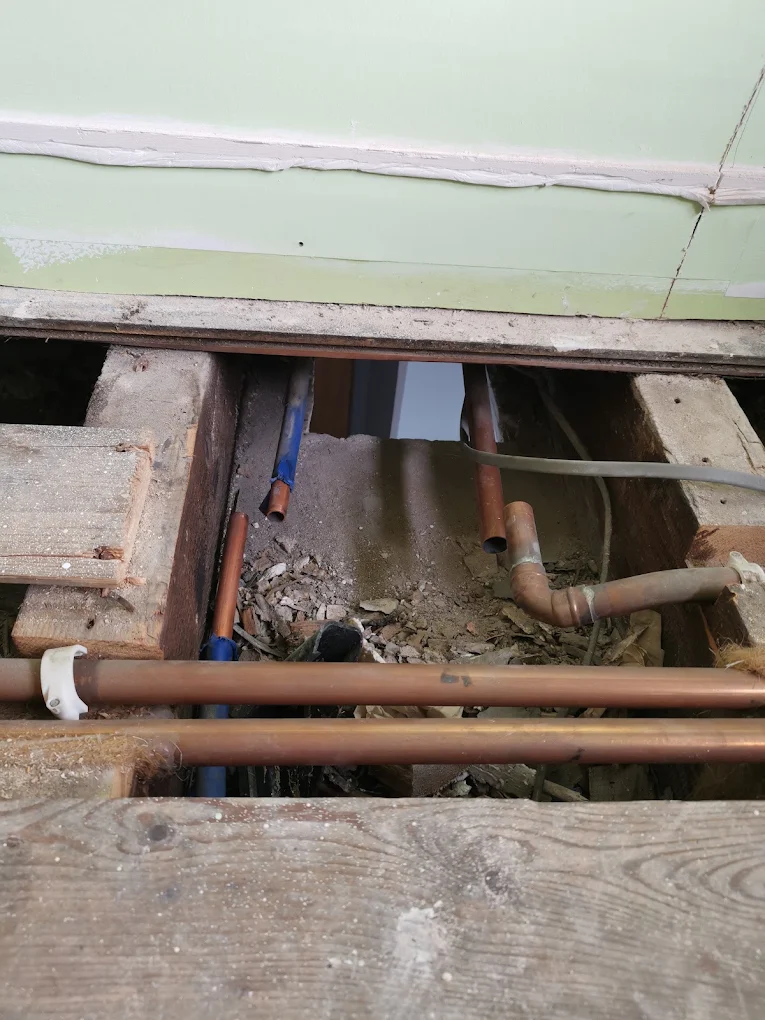
Central Heating Installation & Repairs — Recent Work
Central Heating Installation & Repairs — Your Questions Answered
How much does central heating installation cost in Liverpool?
Cost depends on system size, number of radiators and pipe routing, which is why we quote a fixed price only after seeing the property. There is a £75 diagnostic fee for assessment visits, and larger jobs need a 20% deposit with the balance due on completion.
How long does a central heating installation take?
A straightforward radiator replacement can be done in a day, while a full system re-pipe across a house typically takes two to four days depending on access and property size. We confirm a timeline as part of the fixed-price quote.
Do you offer emergency central heating repairs?
Yes, for domestic breakdowns we aim to be on site within the hour for jobs within 15-20 miles of Liverpool. Call 07475 056553 and we will assess whether it is a repair or a component needing replacement.
Is my central heating installation guaranteed?
Every installation comes with a 12-month warranty provided direct from the shop, covering the work carried out and parts fitted.
Why are some of my radiators cold at the top?
Cold tops usually mean trapped air, which bleeding will fix. Cold at the bottom instead points to sludge build-up, which typically needs a power flush rather than a simple bleed.
Can you extend my existing system for a home extension?
Yes, we regularly extend existing central heating into extensions and loft conversions, checking the boiler has enough capacity for the added radiators before starting.
Do you work on both gas and electric systems?
Our core expertise is gas central heating as Gas Safe registered engineers, and we also fit electric underfloor heating and heat pump systems where that suits the property better.
How often should central heating be serviced?
An annual service catches sludge build-up, pressure drops and minor faults before they cause a breakdown, and keeps any manufacturer warranty on your boiler valid.
Do you cover areas outside central Liverpool?
Yes, we work across Liverpool and Merseyside including Crosby, Anfield, Everton, Bootle, Wavertree, Woolton, West Derby and Garston.
Get your central heating sorted properly
Call 07475 056553 or email info@bluplumbing.co.uk for a free quote, fixed pricing after assessment, and work backed by a 12-month warranty.
- Free quotes; £75 diagnostic if a fault needs tracing first.
- Fixed price confirmed once the job has been seen and assessed.
- Gas Safe registered, APHC member, 4.8★ from 45 Google reviews.